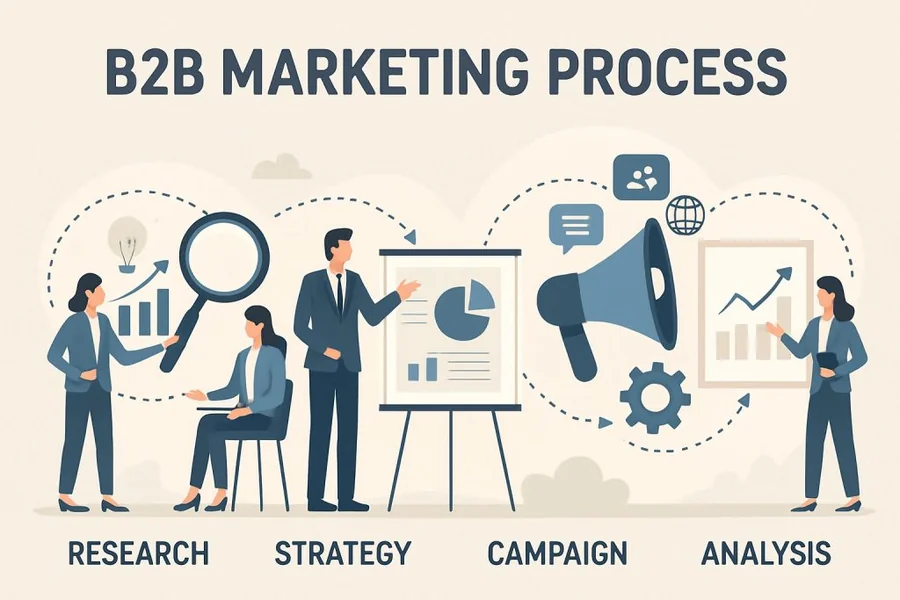
B2B marketing consultants excel at strategy, messaging, and demand generation but frequently encounter technical implementation barriers requiring development expertise. B2B marketing consultant engagements across Dubai and Abu Dhabi increasingly demand technical capabilities that pure marketers lack, creating gaps that sabotage campaign effectiveness. This analysis explores when technical support becomes essential and how to structure collaboration between marketing and development functions.
Marketing Automation Platform Implementation Complexity
Marketing consultants recommend sophisticated platforms like HubSpot, Marketo, or Pardot based on strategic capabilities, but implementation proves technically complex. APIs require integration with CRM systems, custom objects need creation for industry-specific data models, and lead scoring algorithms demand configuration matching business logic.
A Sharjah manufacturing company hired a marketing consultant who designed brilliant lead nurturing workflows but couldn’t implement them technically. The consultant lacked coding skills to build custom integrations between Marketo and their SAP system, creating a 6-week delay while they found developers capable of the integration work.
Marketing consultants should acknowledge technical limitations upfront, recommending technical partners for implementation support before gaps emerge mid-project.
Website Performance Optimization Beyond Content
Marketers understand content strategy, user experience design, and conversion optimization but often lack technical depth in website performance. Page load speed, mobile responsiveness, and technical SEO require development expertise determining whether marketing strategies actually succeed.
One Dubai financial services firm discovered this gap when their marketing consultant recommended content-heavy landing pages that loaded in 8-12 seconds on mobile connections. Conversion rates remained abysmal despite compelling messaging because technical performance destroyed user experience before anyone read the content.
Resolving this required developers implementing image optimization, lazy loading, CDN integration, and code minification—technical interventions beyond marketing consultant capabilities but essential to campaign success.
Data Integration and Analytics Implementation
Marketing consultants emphasize data-driven decision-making but frequently lack skills to build the data infrastructure making this possible. Connecting advertising platforms, CRM systems, website analytics, and business intelligence tools requires technical integration work.
A Riyadh B2B SaaS company wanted unified customer journey visibility from first website visit through closed sale. Their marketing consultant designed the measurement framework but couldn’t implement the UTM parameter standards, cross-domain tracking, or data warehouse integration required to capture complete journeys.
The result: strategic vision without operational capability. Technical resources bridged the gap, implementing tracking infrastructure enabling the data-driven marketing the consultant envisioned.
Personalization Engine Configuration
Modern B2B marketing relies heavily on personalization: dynamic website content based on visitor characteristics, email customization using behavioral data, and account-based marketing targeting specific companies with tailored messaging.
These capabilities require technical implementation การส่งอีเมลองค์กรหลายโดเมน. A marketing consultant might specify that enterprise prospects from financial services should see case studies from banking clients, but developers must configure the rules engine, integrate data sources identifying visitor characteristics, and implement the rendering logic displaying appropriate content.
One Abu Dhabi technology company experienced this challenge. Their consultant designed sophisticated personalization strategies that remained unimplemented for 5 months because no technical resources existed to configure the personalization platform according to specifications.
Marketing Technology Stack Architecture
Typical B2B marketing organizations use 15-25 different tools: CRM, marketing automation, email platforms, social media management, analytics, advertising platforms, content management systems, and ABM tools. Architecting how these technologies connect and share data requires technical judgment marketing consultants often lack.
API rate limits, data synchronization frequencies, primary key matching across systems, and master data management all involve technical considerations. Poor architectural decisions create data silos, synchronization failures, and integration breakdowns undermining marketing effectiveness.
Smart marketing consultants collaborate with technical architects during technology selection, ensuring strategic marketing requirements align with technical feasibility before commitments occur.
Compliance and Security Implementation
Marketing activities must comply with data protection regulations like GDPR and industry-specific requirements. Marketing consultants understand regulatory requirements conceptually but implementation requires technical controls: cookie consent management, data retention policies enforced through automated deletion, opt-out mechanisms properly removing data across all systems, and security measures protecting personally identifiable information.
A Jeddah healthcare marketing team faced regulatory exposure when their consultant designed lead capture forms collecting more patient information than privacy policies permitted. Technical review caught this before deployment, but only because developers examined the implementation rather than trusting marketing specifications blindly.
Advanced Lead Scoring Model Development
Basic lead scoring uses simple rules: +10 points for email opens, +20 for demo requests. Advanced models incorporate predictive analytics using machine learning algorithms analyzing hundreds of variables to identify purchase probability.
Marketing consultants specify the business outcomes they want—identify prospects 30+ days before purchase intent becomes obvious—but building predictive models requires data science capabilities most marketers lack.
One Dubai software company achieved 34% improvement in sales qualified lead quality by implementing machine learning lead scoring, but this required data scientists developing and training models based on historical conversion patterns, not just marketing strategy.
Campaign Attribution Modeling Complexity
Marketing consultants emphasize measuring campaign ROI, but sophisticated attribution requires technical implementation. Multi-touch attribution models tracking customer interactions across channels over weeks or months involve complex data processing.
First-touch, last-touch, linear, time-decay, and algorithmic attribution models each require different technical implementations. A Sharjah industrial equipment distributor spent AED 180,000 on a marketing consultant’s attribution recommendations before discovering their analytics infrastructure couldn’t support the proposed approach, rendering all that strategy work useless.
Establishing Effective Marketing-Development Collaboration
Successful B2B organizations structure collaboration between marketing consultants and technical teams through these practices:
Include technical representatives in initial marketing consultant onboarding, ensuring developers understand strategic objectives and can flag technical feasibility concerns early.
Conduct joint planning sessions where marketing consultants propose initiatives and technical teams provide effort estimates, risk assessments, and implementation approaches before committing to strategies dependent on technical delivery.
Create shared roadmaps showing marketing campaigns with technical dependencies, preventing situations where marketing launches initiatives before required technical support exists.
Establish regular checkpoint meetings where marketing consultants and technical leads review implementation progress, address blockers, and adjust plans based on emerging complexity.
When to Bring Technical Resources Into Marketing Projects
Not all marketing initiatives require technical involvement. Brand strategy, content creation, and traditional advertising proceed without development support. However, these situations demand technical participation:
Any project involving website changes beyond simple content updates. Any marketing technology platform implementation or integration. Data collection, processing, or analysis beyond standard reports. Personalization or dynamic content delivery. Marketing automation workflow implementation. Privacy and compliance requirements. Performance optimization affecting user experience.
Budgeting for Technical Support
Marketing consultants typically bill AED 400-800 per hour in UAE markets. Technical development support runs AED 120-200 per hour for mid-level developers, AED 200-350 for senior engineers. Many marketing initiatives require 1 hour of technical work for every 3-4 hours of marketing consultant time.
One Abu Dhabi manufacturing company learned to budget 25-30% of marketing consultant fees for technical support, ensuring implementation capacity exists for consultant recommendations rather than creating strategic plans nobody can execute.
Conclusion
B2B marketing consultant effectiveness in 2025 depends substantially on technical implementation capabilities that many marketing professionals lack. UAE companies should structure engagements anticipating technical dependencies, budgeting appropriate development support, and establishing collaboration frameworks ensuring marketing strategy and technical execution align from project inception rather than discovering gaps mid-implementation.